Recently updated on July 19th, 2026 at 9:19 pm
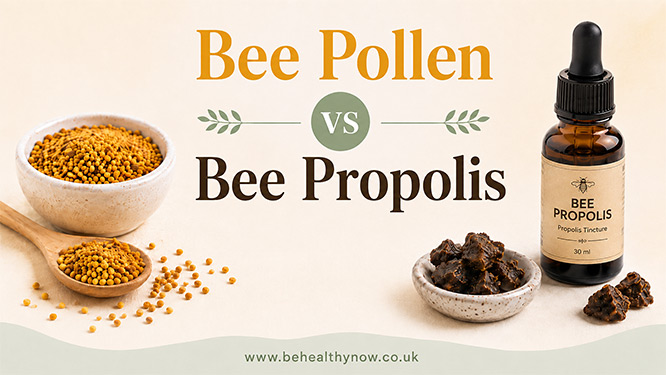
Bee pollen and propolis both come from bees, but they are not the same thing. Bee pollen is collected from flowers and is mainly used as a nutrient-rich food supplement. Propolis, on the other hand, is a sticky resin bees use to seal and protect the hive.
In this guide, I’ll compare their potential benefits, uses and safety concerns, including what the research says about nutrition, immune health, skin, sore throats and allergies.
Bee Pollen vs Propolis: At a Glance
The easiest way to remember the difference is this: bee pollen feeds the hive, while propolis protects the hive.
Bee pollen is usually taken as a nutrient-dense food supplement. Propolis is more often used in sprays, tinctures, mouthwashes, creams and balms.
| Bee pollen | Propolis | |
|---|---|---|
| Best for | Adding extra nutrients to food | Throat, mouth and skin support |
| Usually used as | Granules, powder or capsules | Spray, tincture, lozenge, mouthwash, cream or balm |
| Main strength | Nutrition | Protective plant compounds |
| Useful if you want | A food-based supplement to add to meals | Something more specific for occasional use |
| Allergy concern | Higher concern if you react to pollen | Higher concern if you react to propolis, bee products or certain resins |
What Is Bee Pollen?
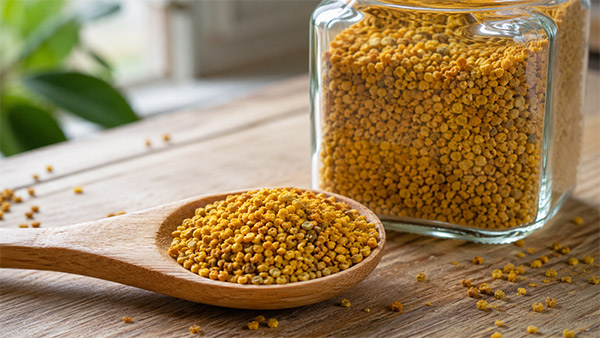
Bee pollen is made from flower pollen that bees collect and mix with small amounts of nectar and bee secretions. Bees carry it back to the hive in tiny pellets, where it becomes an important food source.
For us, bee pollen is usually sold as granules, powder or capsules. The granules are often yellow, orange, golden or light brown, depending on the flowers the bees visited. They can taste slightly sweet, floral or a little bitter.
People usually add bee pollen to foods such as yoghurt, porridge, smoothie bowls or salads to make them more nutritious.
What nutrients does bee pollen contain?
Bee pollen can contain:
- carbohydrates
- protein
- amino acids, which are the building blocks of protein
- fats
- fibre
- B vitamins
- minerals such as potassium, magnesium, calcium, iron and zinc
- antioxidants, including flavonoids (natural plant compounds also found in berries, tea, cocoa, herbs and many fruits and vegetables)
Bee pollen is a natural product, so its nutrient content can vary a lot depending on the flowers, season, location and how it has been stored.
Think of bee pollen as a nutrient-dense food topper, not a guaranteed way to meet your daily vitamin and mineral needs.
What Is Propolis?
Propolis is a sticky, resin-like substance bees make from plant resins, wax and their own secretions. Bees use it to seal small gaps in the hive and help protect it from microbes. This is why it is often called “bee glue”.
Raw propolis is usually dark brown, reddish brown, amber or sometimes greenish brown. It has a strong, resin-like smell and a sticky texture when warm. When cold, it can become hard and brittle.
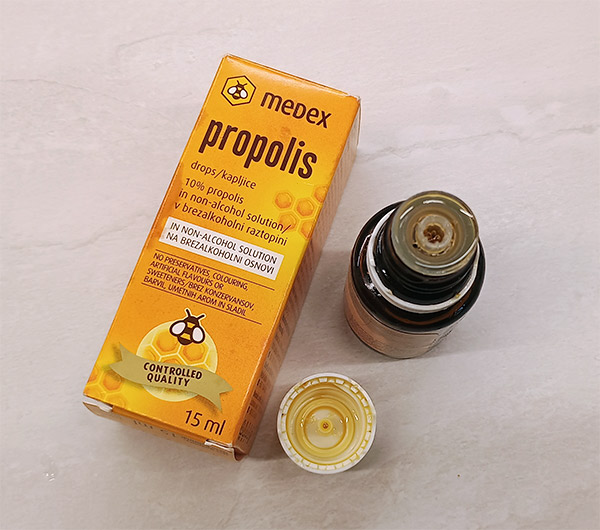
Propolis most often comes as a liquid tincture in a small bottle with a dropper, usually in an alcohol solution. You can also buy alcohol-free propolis drops, sprays, lozenges, capsules, mouthwashes, creams and balms.
What does propolis contain?
Propolis is not mainly about vitamins and minerals. Its value comes from protective plant compounds, including:
- resins
- waxes
- essential oils
- flavonoids
- phenolic acids (plant compounds also found in foods such as berries, herbs, spices, coffee and tea)
- other antioxidants
These compounds are one reason propolis has been studied for antimicrobial, anti-inflammatory and wound-healing effects.
Like bee pollen, propolis can vary a lot depending on the plants near the hive, the region, the season and how it has been extracted.
Bee Pollen vs Propolis Benefits: What Is Each One Good For?
Bee pollen and propolis are both sold as “healthy” bee products, but they are not useful in the same way. Bee pollen is mainly about adding nutrients to your diet. Propolis is more about targeted support, especially for the throat, mouth and skin.
| If you want… | Better fit | Why |
|---|---|---|
| To add more nutrients to meals | Bee pollen | It contains protein, amino acids, vitamins, minerals and plant compounds. |
| More antioxidant-rich foods | Bee pollen | It can add extra antioxidant compounds to foods like yoghurt, porridge and smoothies. |
| Throat or mouth support | Propolis | It is often used in sprays, tinctures, lozenges and mouthwashes. |
| Skin support | Propolis | It has more research behind topical use, especially for minor skin irritation and wound healing. |
| Immune support | Propolis, cautiously | It has more research around antimicrobial and immune-modulating effects, but it is not a guarantee against colds or viruses. |
| Allergy support | Neither as a first choice | Bee pollen may trigger reactions, and propolis is not a proven hay fever treatment. |
Bee pollen benefits: mostly nutrition
Bee pollen’s main benefit is that it can make simple foods a bit more nutrient-dense.
Where it makes most sense
Bee pollen can be useful if you want to add something extra to:
- yoghurt
- porridge
- smoothies
- smoothie bowls
- salads
- homemade snack bowls
I would see it more as a food topper than a treatment. It may add useful nutrients and plant compounds to your diet, but it is not a medicine and it is not a reliable treatment for specific health problems.
What about antioxidants?
Bee pollen also contains antioxidant compounds. Antioxidants help protect the body from oxidative stress, which is a normal process that can increase with things like pollution, stress, poor diet, smoking, illness and ageing.
This does not mean bee pollen will “detox” your body or prevent disease. But it can be one way to add more antioxidant-rich foods to your diet.
Because bee pollen is a natural product, its benefits can vary depending on the flowers, season, region and how it has been stored.
Propolis benefits: more specific uses
Propolis is not mainly about nutrition. Its value comes from protective plant compounds, which is why it is more often used for specific concerns rather than as a daily food topper.
Research on propolis is most interesting in these areas:
- Mouth and gum health: Propolis mouthwashes may help reduce dental plaque and gum inflammation, although the studies are still small and not all are high quality.
- Sore throat and mild upper respiratory symptoms: One clinical trial found that a standardised propolis oral spray helped mild upper respiratory symptoms improve faster than placebo. This does not mean every propolis spray will work the same way, but it is a promising area.
- Skin and wound healing: Topical propolis has been studied for wound healing, including in people with diabetic foot ulcers. This supports its traditional use for skin repair, but serious, deep or infected wounds still need proper medical care.
In simple terms, propolis may help because it has antimicrobial and anti-inflammatory properties. Antimicrobial means it may help limit the growth of some microbes. Anti-inflammatory means it may help calm some of the processes involved in irritation, redness or swelling.
The important thing is that propolis products are not all the same. The result can depend on the type of propolis, the strength of the extract and how it is used.
Bee pollen vs propolis for immune support
If you are choosing between bee pollen and propolis for immune support, propolis is probably the more relevant one.
But I would be careful with words like “boosts immunity”. That can make it sound like propolis will stop you getting colds or help you fight off every virus, and the evidence is not strong enough for that.
How propolis may help
Propolis seems to affect some parts of the immune system and inflammation. In simple terms, this means it may help the body respond to irritation, microbes or inflammation in a more balanced way.
Research has looked at how propolis interacts with immune cells, and one clinical trial found that a standardised propolis oral spray helped mild upper respiratory symptoms improve faster than placebo.
This does not mean every propolis product will work the same way, but it does make propolis more interesting than bee pollen when it comes to immune-related support.
What about bee pollen?
Bee pollen supports the immune system in a more indirect way.
It adds extra nutrients and antioxidant compounds to the diet, and good nutrition is important for normal immune function. But there is not strong evidence that taking bee pollen will prevent colds, fight viruses or make you ill less often.
So, the simple answer is this: propolis has more targeted research for immune support, while bee pollen mainly supports your diet through extra nutrients.
Which is better for allergies?
Bee pollen is sometimes promoted as a natural hay fever remedy, but I would be careful with this claim.
It is not the same as allergy immunotherapy, where controlled doses of specific allergens are given under medical supervision. Bee pollen supplements can contain different types of pollen, including pollen from weeds and other plants.
For some people, this may trigger allergic reactions. There are also case reports of bee pollen causing anaphylaxis, which is a severe allergic reaction.
With propolis, the picture is a bit different. A review on the anti-allergic properties of propolis found promising evidence for allergic inflammation, asthma, allergic rhinitis, atopic dermatitis and food allergy. But the researchers also said this area is not fully explored yet.
The bottom line
I would not treat either bee pollen or propolis as a proven allergy remedy. Bee pollen may be risky if you already react to pollen, while propolis has some interesting early research but can also cause allergic reactions in sensitive people.
Safety: Who Should Be Careful With Bee Pollen and Propolis?
Bee pollen and propolis are natural, but that does not mean they are suitable for everyone. The biggest concern with both is allergy.
Be extra careful with bee pollen if you have allergies
Bee pollen is the one I would be most cautious with if you already react to pollen.
This is because bee pollen supplements can contain different types of pollen, including weed pollens. There are case reports of bee pollen causing anaphylaxis, which is a severe allergic reaction.
I would avoid bee pollen, or speak to a healthcare professional first, if you:
- have pollen allergies or hay fever
- have asthma
- have had a serious allergic reaction before
- react to bee products
- are pregnant or breastfeeding
- are thinking of giving it to a child
Stop taking it straight away and seek medical help if you get symptoms such as swelling, wheezing, throat tightness, dizziness, widespread rash or difficulty breathing.
Propolis can also cause reactions
Propolis may be better researched for throat, mouth and skin support, but it can still cause allergic reactions in some people.
Skin reactions are one of the more common concerns, especially with propolis creams, balms or cosmetics. Propolis allergy and contact dermatitis have both been reported.
Be careful with propolis if you:
- react to bee products
- have sensitive skin, eczema or dermatitis
- react to fragranced cosmetics or plant resins
- take blood-thinning medication such as warfarin
- are pregnant or breastfeeding
- are using it on broken skin
If you are using propolis on your skin, it is sensible to patch test it first. Do not use propolis on deep, infected or serious wounds without medical advice.
If you take warfarin or another blood thinner, ask a healthcare professional before using propolis. A study on propolis and warfarin suggests interactions are possible.
Can you take bee pollen and propolis together?
Some people do take bee pollen and propolis together, but I would not start both at the same time.
Start with one product first, use a small amount, and see how you tolerate it. If you start both together and react, you will not know which one caused the problem.
As a simple rule, avoid both if you know you are allergic to bee products, pollen or propolis, unless you have been told otherwise by a qualified healthcare professional.
Final Thoughts
Bee pollen and propolis are both useful in different ways, but they are not interchangeable.
Bee pollen makes most sense as a nutrient-dense food topper. Propolis makes more sense when you want something more targeted, especially for the throat, mouth or skin.
For allergies, I would be cautious with both. Bee pollen is not a proven hay fever remedy and may trigger reactions in some people. Propolis has some interesting early research, but it is not a guaranteed solution either.
So, the best choice depends on your goal. Use bee pollen for nutrition, propolis for more specific support, and avoid both if you know you react to bee products unless you have checked with a healthcare professional first.