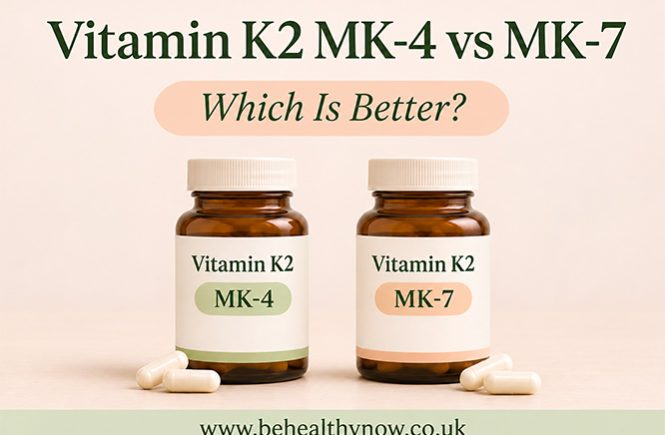
MK-4 and MK-7 are both forms of vitamin K2, but they don’t behave in quite the same way in the body. If you’re choosing a K2 supplement, MK-7 is usually the more practical option because it stays in the body much longer and can have an effect at much smaller doses. That doesn’t make MK-4 […]
Sulphur Dioxide in Food: Is It Bad for You?
If you’ve noticed sulphur dioxide on a food label, you may have wondered whether it’s safe or something you should avoid. For most people, the amounts found in food don’t seem to cause a problem. But some people are sensitive to it, and there are also questions around the possible effects of higher long-term intake. […]
Can Whole Grain Bread Help You Lose Weight?
If you’re trying to lose weight, you don’t need to stop eating bread. Whole grain bread can actually be a good choice because it is usually higher in fibre and often higher in protein than white bread. Both can help make it more filling and keep you satisfied for longer. Whole grain bread includes whole […]
Folic Acid in Bread: Is It Good or Bad for You?
Folic acid has been added to bread and other grain products in the US for decades, and from December 2026 it will also be added to most non-wholemeal wheat flour in the UK. Canada and Australia already have similar fortification programmes. It is added for a good reason. Folic acid can help prevent serious birth […]
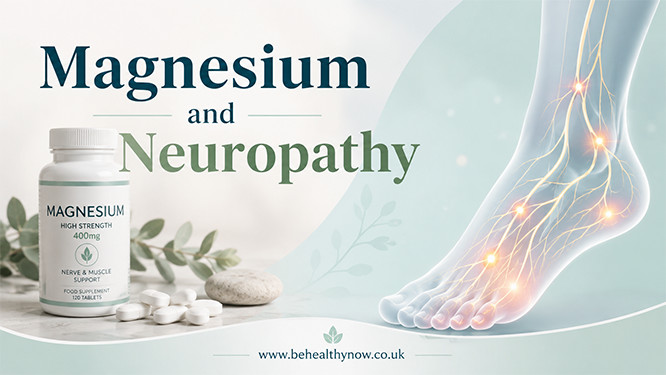
Magnesium and Neuropathy: Can It Help Nerve Pain?
If you’re experiencing burning, tingling, numbness or nerve pain, you may have come across magnesium as something that could help. There is some research to support this. Magnesium is important for normal nerve function, and low levels can cause symptoms such as numbness and tingling. Some studies have also found benefits in people with nerve […]
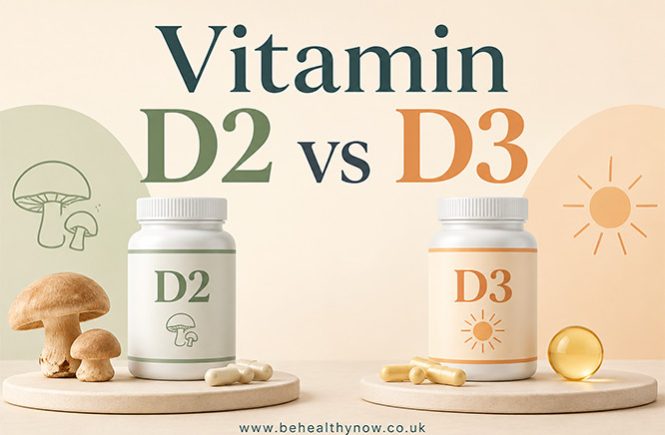
Vitamin D2 vs D3: Differences and Which Is Better?
If you’ve ever looked at vitamin D supplements, you’ve probably noticed that some contain vitamin D2 and others D3. They are both forms of vitamin D, but they are not quite the same. Both can raise vitamin D levels and help prevent or correct deficiency, although research shows that D3 generally does a better job […]
Healthiest Bread in UK Supermarkets: Best Loaves to Buy
Choosing the healthiest bread in UK supermarkets is not as simple as picking the darkest loaf or one labelled sourdough. A good wholemeal bread is often a healthier everyday choice, but fibre, salt, added sugar, oils and preservatives all matter too. In this guide, I’ve compared some of the best supermarket options, including sliced loaves, […]
Elemental Magnesium: What It Means and How to Read Labels
When I first started buying magnesium supplements, I realised how confusing the labels could be. One number appeared on the front, another on the back, and most times you needed several capsules to get the advertised amount. That is when I learned how important elemental magnesium is. So what does it actually mean, how do […]
Calcium in Almonds: Are Almonds a Good Source of Calcium?
Almonds are a healthy snack and they do contain calcium, but they are not really a high-calcium food. A small handful of almonds gives you around 80mg of calcium, which is helpful, but not enough to meet your daily needs on its own. So almonds can be part of a calcium-rich diet, but you’ll still […]
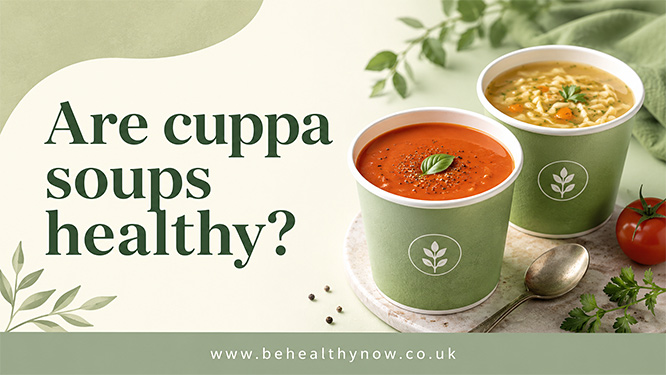
Are Cuppa Soups Healthy? What the Labels Really Show
Instant cup soups are handy when you want something quick, warm and light, but are cuppa soups actually healthy? They are often low in calories, which can make them seem like a good choice. But how much real food do they actually contain? Are they high in salt? And do they have enough protein or […]