
More and more people are switching to almond milk because it sounds like the healthier choice. But once you look a little closer, it isn’t that simple.
If you’re scratching your head trying to choose between almond milk and cow’s milk, it helps to compare them properly — calories, protein, sugar, calcium (and what’s added), plus a few real-world concerns. The best choice depends on your diet, your health, and what you’re using it for.
In this guide, I’m going to keep it simple and useful. We’ll compare the nutrition, look at what’s actually in a carton of almond milk (with real brand examples), and cover the main concerns people raise about both.
In summary
Cow’s milk is more nutritious overall and much higher in protein, but it can come with downsides for some people (like lactose intolerance or dairy sensitivity). Unsweetened, fortified almond milk is a low-calorie, dairy-free option, but it’s low in protein and isn’t a true nutritional match for cow’s milk.
However, “healthier” isn’t only about nutrients on a label. How you tolerate it, what the rest of your diet looks like, and whether you’re comfortable with how dairy is produced and processed all matter too.
What you actually get in a glass
That “which is healthier?” question usually comes down to one thing: what are you trying to get from your milk? Protein? Fewer calories? Something dairy-free that still feels nourishing?
Some people want protein and overall nutrients. Others just want something light for coffee. And with almond milk, the label can change a lot from carton to carton.
So before we talk about concerns, fortification, and all the extra context, let’s look at the numbers side by side using real products people buy. (I’ve standardised most of it to per 100 ml so it’s easier to compare. One US label is shown per cup too, because that’s how it’s listed.)
Nutrition snapshot
| Cow’s milk (semi-skimmed) | Alpro Almond Roasted No Sugars | Alpro Almond Original | Tesco Unsweetened Almond Drink | Almond Breeze Unsweetened Original | |
|---|---|---|---|---|---|
| Calories | 50 kcal | 14 kcal | 24 kcal | 15 kcal | 30 kcal per cup (≈ 13 per 100 ml) |
| Protein | 3.3 g | 0.4 g | 0.5 g | 0.6 g | 1 g per cup (≈ 0.4 per 100 ml) |
| Carbs / sugars | 5.1 g / 4.9 g | 0 g / 0 g | 2.7 g / 2.4 g | 0.7 g / 0.3 g | 1 g / 0 g per cup (≈ 0.4 / 0 per 100 ml) |
| Fat / saturates | 1.8 g / 1.0 g | 1.1 g / 0 g | 1.1 g / 0.1 g | 1.0 g / 0.1 g | 2.5 g / 0 g per cup (≈ 1.0 / 0 per 100 ml) |
| Calcium | 124 mg | 120 mg | 120 mg | (fortified; shown as “with added calcium”) | 450 mg per cup (≈ 188 per 100 ml) |
| Vitamin D | (varies by country/brand) | 0.75 µg | 0.75 µg | 0.75 µg | (listed on pack; label highlights it as a key vitamin) |
| B12 | 0.30 µg | 0.38 µg | 0.38 µg | 0.38 µg | (depends on version; check label) |
| Iodine | 31 µg | (not listed) | 22.5 µg | 22.4 µg | (varies; check label) |
Tiny note on the US column: Almond Breeze lists nutrients per cup (240 ml), so the per-100-ml figures are just rough conversions for comparison. The carton is still the “source of truth.”
What jumps out (fast)
- Protein is the big divider. Cow’s milk is consistently higher, while almond milk is usually low-protein even when it’s fortified.
- Sweetened vs unsweetened matters. Unsweetened almond milk is often sugar-free (Alpro “No Sugars” lists 0 g sugars per 100 ml). “Original” versions usually have some sugar (Alpro Almond Original lists 2.4 g sugars per 100 ml). In the US, some “Original” almond milks also include added sugar (Almond Breeze Original lists 7 g added sugars per serving). Personally, I stick to unsweetened.
- Fortification changes the game. A lot of almond milks can look “similar” to milk for calcium/vitamins on paper because they’re fortified, but it’s not automatic. You have to check the label.
- Iodine is easy to miss. In the UK, milk and dairy are the main iodine source for most people, and not all plant milks are iodine-fortified.
Quick label tip: if it’s your everyday almond milk, go unsweetened/no sugars. “Original” often means “more sugar” (especially in the US).
What’s actually in almond milk?
Most almond milk is mainly water, plus a small percentage of almonds, then added vitamins and minerals (if it’s fortified). That’s not a bad thing, but it’s helpful to know what you’re buying.
What’s in the carton? Real examples
| Alpro Almond Original | Almond Breeze Unsweetened Original (UK) | Almond Breeze Unsweetened Original (US) | |
|---|---|---|---|
| % almonds (if shown) | 2.3% | 2% | Not stated on label page |
| Calcium added (type) | Calcium carbonate | Calcium carbonate | Calcium carbonate |
| Other common add-ins | Stabilisers (guar gum, gellan gum), emulsifier (lecithins), natural flavouring, sea salt | Emulsifier (sunflower lecithin), stabiliser (gellan gum), sea salt, natural flavouring | Sea salt, potassium citrate, sunflower lecithin, gellan gum, natural flavours |
| Added vitamins | B12, D2, E | D2, E, B12 | Vitamin E (d-alpha-tocopherol) |
| Added iodine? | Potassium iodide | Not listed | Not listed |
The key takeaways (in plain English)
- Many almond milks are only around 2–3% almonds. That doesn’t make them “bad”, it just explains why they’re usually low in protein compared to cow’s milk.
- Fortification does most of the work for calcium and vitamins. If a carton isn’t fortified, it can be very low in those nutrients.
- Those little “extras” (like gellan gum, lecithin, and sometimes potassium citrate) are mostly there for texture and stability. They help the drink stay smooth and stop it separating, and in normal amounts they’re not something most people need to worry about.
Next, let’s talk about the biggest nutritional gap between the two: protein.
Cow’s milk vs almond milk: the protein gap (and why you feel it)
Semi-skimmed cow’s milk has about 3.6 g protein per 100 ml, while many almond milks sit around 0.4–0.6 g. That means cow’s milk has roughly 6–9 times more protein. In a normal 200 ml glass, you’re looking at about 7.2 g vs 0.8 g.
That’s why cow’s milk often feels more “substantial”. Whole milk can feel more filling because of the extra fat too, but protein is the big reason almond milk often feels lighter. It’s also why I personally moved away from almond milk over time and switched to organic soya. I wanted something dairy-free that didn’t feel quite so watery.
And if you are dairy-free and protein matters, this is where soya usually makes more sense. The UK government SACN/COT review also points out that soya drinks are generally the most similar to cow’s milk for protein quantity and quality.
Bone health: matching calcium on the label isn’t the whole story
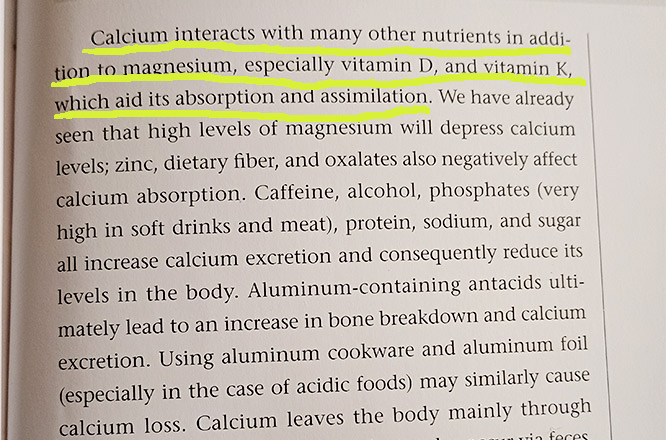
It’s easy to look at the calcium number and stop there. But your bones don’t build themselves on calcium alone. You also need vitamin D to help your body absorb calcium, and nutrients like magnesium and vitamin K support the bigger picture too.
Does almond milk have as much calcium as cow’s milk?
Sometimes, yes, but only if it’s fortified. Cow’s milk is typically around 120 mg calcium per 100 ml and it’s similar across whole, semi-skimmed and skimmed. Fortified almond milks can match that, but unfortified ones can be much lower, so always check the label.
But how much calcium do you actually get?
Even when the calcium number looks similar, your body may not get the exact same “calcium benefit” every time. It depends on a few practical things:
- Type of calcium matters. Almond milk is often fortified with calcium carbonate, which is absorbed best with food, not on an empty stomach.
- Fortified drinks aren’t all identical. Studies looking at fortified plant drinks show calcium levels and behaviour can vary by product and formulation.
- Added calcium can settle, so shake the carton before you pour. A study testing several plant-based drinks (including almond) found unshaken samples had lower calcium.
Calcium reality check
| Cow’s milk | Fortified almond milk | What to remember | |
|---|---|---|---|
| Calcium | Naturally present | Often added to match milk | Not all almond milks are fortified |
| Absorption | Generally reliable | Depends on formulation and calcium type | Carbonate absorbs best with food |
| Settling | Not an issue | Can settle in the carton | Shake well before pouring |
| Bone-health basics | Helpful, but not the whole plan | Helpful, but not the whole plan | Vitamin D, enough protein, and strength training matter too |
If bone health is your main reason for choosing almond milk, the simplest “win” is: pick a fortified one, shake it, and make sure the rest of your diet is doing its job too.
Iodine and vitamin D: the nutrients people forget when swapping
When people swap cow’s milk for almond milk, they usually focus on calories and calcium. The nutrients that get missed most often are iodine and vitamin D.
Iodine: depends a lot on where you live (and what you use)
- In the UK, the British Dietetic Association points out that milk and dairy are the main iodine sources for most people, and that not all milk alternatives are iodine-fortified, so you have to check the label.
- In the US, iodine often comes from a mix of iodised salt, dairy, eggs, and seafood (so if you cut dairy and don’t use iodised salt, it’s worth paying attention).
Easy iodine sources if you’re not relying on dairy: white fish/seafood, eggs, iodised salt (where used), and small amounts of seaweed (it can be very high).
Vitamin D: don’t assume your “milk” covers it
Vitamin D is hard to get from food in general, and advice varies by country. What matters most is this: fortification is inconsistent.
Yes, some almond milks do add vitamin D. For example, several fortified almond drinks list vitamin D on the label (Alpro almond drinks and Tesco’s unsweetened almond drink include vitamin D). But not every brand does, and the type/amount can differ, so it’s a quick label check rather than something to assume.
How your body reacts to cow’s milk
This is where the “healthiest” choice becomes very personal. Two people can drink the same milk and have totally different experiences.
Lactose
Some people have lactose intolerance. Lactose is the natural sugar in cow’s milk, and if you don’t digest it well you can get bloating, tummy pain, wind and diarrhoea. In that case, choosing almond milk over cow’s milk is often the better option for you.
Allergy
Milk allergy is different. This is an immune reaction to milk proteins (more common in babies and young kids). It can show up as skin reactions, vomiting, wheezing, or digestive symptoms.
Mucus
A lot of people say cow’s milk makes them feel more congested. Studies don’t show that it increases mucus production, but they do find something else: some people get a thicker, coated feeling in the throat after milk, linked to mouthfeel and saliva rather than extra mucus being made.
So if milk makes you feel more “phlegmy”, you’re not imagining it. It just doesn’t necessarily mean your body is producing more mucus. It’s your call whether you stick with cow’s milk or feel better on an alternative.
Concerns people have about cow’s milk
This isn’t to scare you off milk. It’s just the stuff people hear about and wonder, “Is that actually true?”
Somatic cells (“pus”)
When people say “pus in milk”, they’re usually talking about somatic cells. These are mostly white blood cells, and higher levels can be a sign of mastitis in cows. Yes, somatic cells are present in milk, but they’re monitored and must stay under legal limits for milk to be sold.
Antibiotics
Milk is screened for antibiotic residues, and milk that fails testing is meant to be kept out of the food supply. That said, no system is perfect. The main point is that controls and testing do exist.
Feed additives (Bovaer / 3-NOP)
You might have seen headlines about feed additives used to reduce methane (a greenhouse gas cows produce during digestion). Regulators have assessed 3-NOP (Bovaer) and concluded it’s safe for consumers when used as approved, including looking at residue questions.
Researchers are still studying smaller knock-on effects, like whether it can slightly shift milk’s fatty acid profile in some cases. That’s more about understanding changes, not a sign you can’t drink the milk.
Processing (pasteurised, UHT, homogenised)
Most milk is heat-treated for safety. Reviews generally find nutrient changes from pasteurisation are small, while raw milk carries real food-safety risks.
Homogenisation has a lot of claims around it online, but reviews don’t support clear harm in humans.
If you want the “lowest fuss” approach, the simple move is: choose a reputable brand, store it properly, and if you’re concerned, consider organic (and of course, if milk doesn’t agree with you, use an alternative that does).
Does cow’s milk cause inflammation?
The Swedish study (signal, not proof)
One large Swedish cohort study found that higher milk intake was linked to higher IL-6 (an inflammation marker) and a marker of oxidative stress in subgroups.
But it’s observational, so it can’t prove milk caused that change. Lifestyle, overall diet, body weight, and even people changing habits because of health issues can all affect results.
What reviews of trials suggest
When researchers pool randomised clinical trials, dairy overall tends to look neutral for inflammatory markers like CRP, IL-6 and TNF-α, and sometimes slightly better (fermented dairy often looks best).
Bottom line: the evidence doesn’t scream that milk is inflammatory for most people, but if you personally feel better without it, that’s worth listening to.
Milk, fractures, and osteoporosis: what the research actually suggests
Country comparisons look interesting, but they don’t prove much
You’ll sometimes see charts showing that countries with high dairy intake also have high hip fracture rates. That can be true on paper, but it doesn’t tell you that milk caused the fractures. Countries differ in lots of ways that affect bone health and fracture risk, like sunlight/vitamin D, how long people live, body size, fall risk, and how fractures are recorded.
What long-term studies in people actually show
When researchers follow people for years, the results are mixed. The well-known Swedish study found that higher milk intake was linked with higher fracture risk in women.
But other studies don’t always find the same thing, which is why it isn’t as simple as “drink more milk = fewer fractures.”
What meta-analyses say overall
When many studies are pooled together, the overall picture still isn’t “milk protects everyone’s bones”:
- More milk doesn’t reliably mean fewer fractures. A review of cohort studies concluded that higher milk and dairy intake was not linked to a lower risk of osteoporosis or hip fracture.
- Milk wasn’t clearly protective in pooled studies. Some meta-analyses find milk has a mostly neutral relationship with hip fractures, rather than a clear benefit.
- Fermented dairy sometimes looks better. In one meta-analysis, yogurt and cheese were linked with a lower hip fracture risk in certain groups.
The takeaway that actually helps
Milk can help you top up protein and calcium, which supports bone health. But it’s only one piece of the puzzle. For osteoporosis and fractures, the biggest wins are still strength training, enough protein overall, vitamin D, and reducing falls (good balance, strong legs, safe home).
So which should you choose?
- If you’re trying to lose weight: go for unsweetened almond milk. It’s usually very low-calorie compared with cow’s milk.
- If you want more protein (and something that keeps you fuller): cow’s milk wins here. Almond milk is typically low-protein.
- If you’re dairy-free: choose an unsweetened, fortified plant milk. And if protein matters to you, soya is often the closest swap nutritionally.
- If bone health is your main worry: either can fit, but don’t just chase the calcium number. Pick a fortified plant milk, shake it, and make sure you’re covering vitamin D and protein too.
- If you get IBS-style symptoms from milk: lactose may be the issue. In that case, almond milk (or lactose-free milk) is often a better fit.
- If you’re worried about iodine: this is where labels matter. Dairy is a major iodine source in the UK, and not all plant milks are iodine-fortified. If you avoid dairy, make sure iodine is coming from somewhere else (food or iodised salt where used).
One last note: you don’t have to pick only almond or cow’s milk. If almond milk doesn’t feel “enough” nutritionally, soya (and sometimes pea-based milks) can be a better middle ground, and you can always rotate based on what you’re using it for.
FAQs
Which tastes better: almond milk or cow’s milk?
Totally personal. Cow’s milk tastes creamier, while almond milk is lighter and a bit nutty (and yes, some brands taste more watery than others). I also noticed that after drinking unsweetened plant milks for ages, cow’s milk tastes slightly sweet to me because of the natural milk sugar (lactose).
Is almond milk OK in coffee or tea?
Usually yes, but some unsweetened almond milks can split in hot drinks (it depends on the brand). If that happens, try a “barista” version or warm the milk first.
Is almond milk or cow’s milk better for diabetes?
Unsweetened is the win. Cow’s milk contains lactose, so it counts as carbs and can raise blood glucose (although slowly).
If you want the lowest-carb option, unsweetened almond milk is often close to zero (for example, Alpro Almond Roasted No Sugars lists 0g carbs and 0g sugars per 100ml).
Just watch “original” versions, where sugars can creep up (Alpro Almond Original lists 2.4g sugars per 100ml).
Can a 1-year-old drink almond milk?
Yes, from 12 months, but it’s usually not the best “main milk”. The NHS says unsweetened, calcium-fortified plant-based drinks (including almond) can be given from 12 months as part of a balanced diet.
If your child drinks dairy, whole (or semi-skimmed) cow’s milk is usually the more practical default for ages 1–5 because it naturally provides more energy, protein and key nutrients.
If you’re avoiding dairy, fortified, unsweetened soy is usually the best main alternative for toddlers because it’s closer to cow’s milk nutritionally (especially for protein). This is highlighted in both UK and US guidance.

Petra Nakashian (previously Kravos) has been writing about health and healthy living for over 10 years. She covers nutrition, natural health, and everyday wellness topics, with a focus on clear, practical advice you can actually use. Petra enjoys digging into health books, studies, and reputable research to check health claims, because there’s a lot of advice online that sounds convincing but isn’t accurate.