Recently updated on January 27th, 2026 at 11:55 am

Let’s be honest: when you see Special K Original on the supermarket shelf, you probably think it’s a healthy breakfast choice. But is it really that good for you, or is it just clever marketing?
The truth is, Special K isn’t a bad cereal, but it’s not quite the super-healthy option it appears to be. It’s low in fat and has added vitamins and minerals, but it doesn’t offer much fibre or protein, so it doesn’t keep you full for very long.
Let’s break down what’s really in Special K and whether it deserves a regular spot in your breakfast rotation.
What’s in Special K?
Special K Original is made from a simple blend: rice (47%), wholewheat (37%), and a bit of barley (5%). There’s also some sugar (including barley malt extract) and a sprinkle of salt to bring out the flavour.
Plus, it’s fortified with added vitamins and minerals like iron, B vitamins, and vitamin D, giving it a bit of a nutritional boost.
One thing it’s got going for it is that there are no artificial colours, flavours, or preservatives.

Nutrition in a Nutshell
Here’s what you’re getting in every 30g bowl of Special K Original:
- Calories: 118 calories per 30g portion on its own, or about 210 calories if you’re having it with 125ml of semi-skimmed milk.
- Fat: 0.4g (pretty low)
- Carbohydrates: 25g per portion (which is high) – that’s 84g of carbs per 100g of cereal.
- Sugar: 4.5g – that’s just over a teaspoon per 30g portion, or about 15g of sugar per 100g of cereal. It’s not the worst, but most of us pour more than 30g into a bowl, so the sugar can quickly add up if you’re not careful.
- Fibre: 1.8g per portion – only around 6% of the recommended 30g of fibre a day for adults, so it doesn’t contribute much on its own.
- Protein: 2.4g per portion. For reference, adults should aim for around 45-55g of protein a day, so this cereal doesn’t exactly pack a protein punch.
One serving of Special K also gives you around half (50%) of your recommended daily amount of vitamin D, thiamine (B1), riboflavin (B2), and folic acid.
It also provides about 30% of your daily niacin, vitamin B6, vitamin B12, and iron. That’s a handy boost if you’re not getting enough of these from other foods.
So what does this all mean?
While it’s low in fat and gives you a good vitamin and mineral boost, it doesn’t have much fibre or protein.
Both fibre and protein help keep you feeling fuller for longer and support a healthy gut. Without enough of them, you’re more likely to feel hungry again not long after eating and miss out on some of the benefits that higher-fibre, higher-protein breakfasts offer.
So even though Special K is an easy breakfast choice, it’s not the most filling or balanced option on its own. Try adding some fruit, nuts, or seeds to your bowl to boost the fibre and protein content and keep you going until lunchtime.
How Does Special K Compare to Other Cereals?
Here’s a quick comparison of Special K Original with some other well-known cereals:
| Cereal | Calories (per 30g) | Sugar (per 100g) | Fibre (per 100g) | Protein (per 100g) |
|---|---|---|---|---|
| Special K Original | 118 kcal | 15g | 6g | 8g |
| Kellogg’s Corn Flakes | 113 kcal | 8g | 3g | 7g |
| Weetabix | 136 kcal (2 biscuits) | 4.2g | 10g | 12g |
| Coco Pops | 116 kcal | 17g | 3.8g | 6.3g |
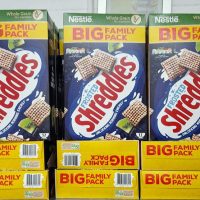
| Nestlé Shreddies | 146 kcal (40g) | 12.5g | 12g | 10.8g |
Summary:
- Calories: Special K Original is moderate in calories, similar to Corn Flakes and Coco Pops, and lower than Weetabix and Shreddies.
- Sugar: Moderate sugar content – less than Coco Pops but more than Weetabix.
- Fibre: At 6g of fibre per 100g, it’s in the middle – lower than Weetabix and Shreddies, but higher than Corn Flakes and Coco Pops.
- Protein: With 8g per 100g, it has moderate protein content, lower than Weetabix and Shreddies.
While Special K Original isn’t the worst option out there, cereals like Weetabix and Shreddies pack in more fibre and protein to help keep you feeling fuller for longer.
Related: The Top 10 Highest Fibre Cereals
Is Special K Good for Weight Loss?
On its own, Special K Original isn’t the best choice for weight loss. It’s low in fat and fairly modest in calories, but it doesn’t have much fibre or protein, so it doesn’t keep you full for long and it’s easy to go back for another bowl.
That matches my own experience – I really enjoy the taste, but it’s not very satisfying and I can easily eat more than a sensible portion without really noticing.
Healthier Breakfast Ideas
If you’re after a more balanced cereal, options like Weetabix or Shreddies usually work better as everyday choices because they’re higher in fibre and a bit more filling. A simple bowl of oatmeal is another great option – naturally high in fibre and easy to customise with fruit, nuts or seeds.
Tips to Make Special K Work Better for You
If you like Special K’s taste and crunch, keep it, but tweak it. Add a sliced banana, some berries, Greek yoghurt, or a spoonful of nuts or seeds. These simple extras boost the fibre and protein and help turn a light, sweet cereal into a more satisfying breakfast.
Other cereals I’ve looked at:
Shreddies
Kellogg’s All-Bran Cereal
Bran Flakes
Weetabix
Rice Krispies
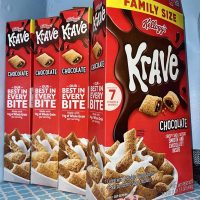
Krave
Alpen Muesli
Ready Brek

Petra Nakashian (previously Kravos) has been writing about health and healthy living for over 10 years. She covers nutrition, natural health, and everyday wellness topics, with a focus on clear, practical advice you can actually use. Petra enjoys digging into health books, studies, and reputable research to check health claims, because there’s a lot of advice online that sounds convincing but isn’t accurate.